

Deep Sleep Design: How Experts Shape Restful Homes
07/10/2025
Finding Rest in a Restless World
Sleep isn’t a luxury — it’s the foundation of vitality. When we finally give it the attention it deserves, everything in life begins to feel lighter. We manage stress better, we connect more deeply with the people we love, and we wake up ready to face the day with calm and clarity.
At Liquid Interiors, we’ve spent years designing healing spaces that bring balance back into modern life. Our approach is rooted in the idea that our homes should work with nature, not against it — and that the way we design our bedrooms can have a profound effect on how we rest.
This belief came to life during our recent Art of Sleep event — an evening of shared insights, design, and science focused on what it really takes to rest well. Together with sleep therapist Lydia Chan of The Sleep Code, mattress specialist Kelvin Lo from Hästens, and air quality expert Barton Wong, we explored how small, thoughtful changes in your home can completely transform your sleep and, ultimately, your health.
“We call this approach the Paleo Bedroom — a return to natural balance, inspired by how humans were meant to sleep: in harmony with light, air, sound, and simplicity.”
— Lydia Chan, Founder of the Sleep Code.


Reconnecting with Light and Darkness
When Thomas Edison invented the light bulb, humanity gained endless productivity — but we also drifted away from one of our deepest biological connections: the cycle of sunlight or “Circadian Rhythm”. The sun tells our bodies when to wake, when to focus, and when to rest. It does this by naturally increasing melatonin in the evening at sunset and evening increasing cortisol during a bright day. Recreating this rhythm indoors can change the way we sleep forever. “Benefits of having a circadian rhythm synched with the sun goes beyond falling asleep faster and waking up more refreshed. It also improves your alertness, reduces stress, regulates your digestive system, and improves overall well-being and mental health.
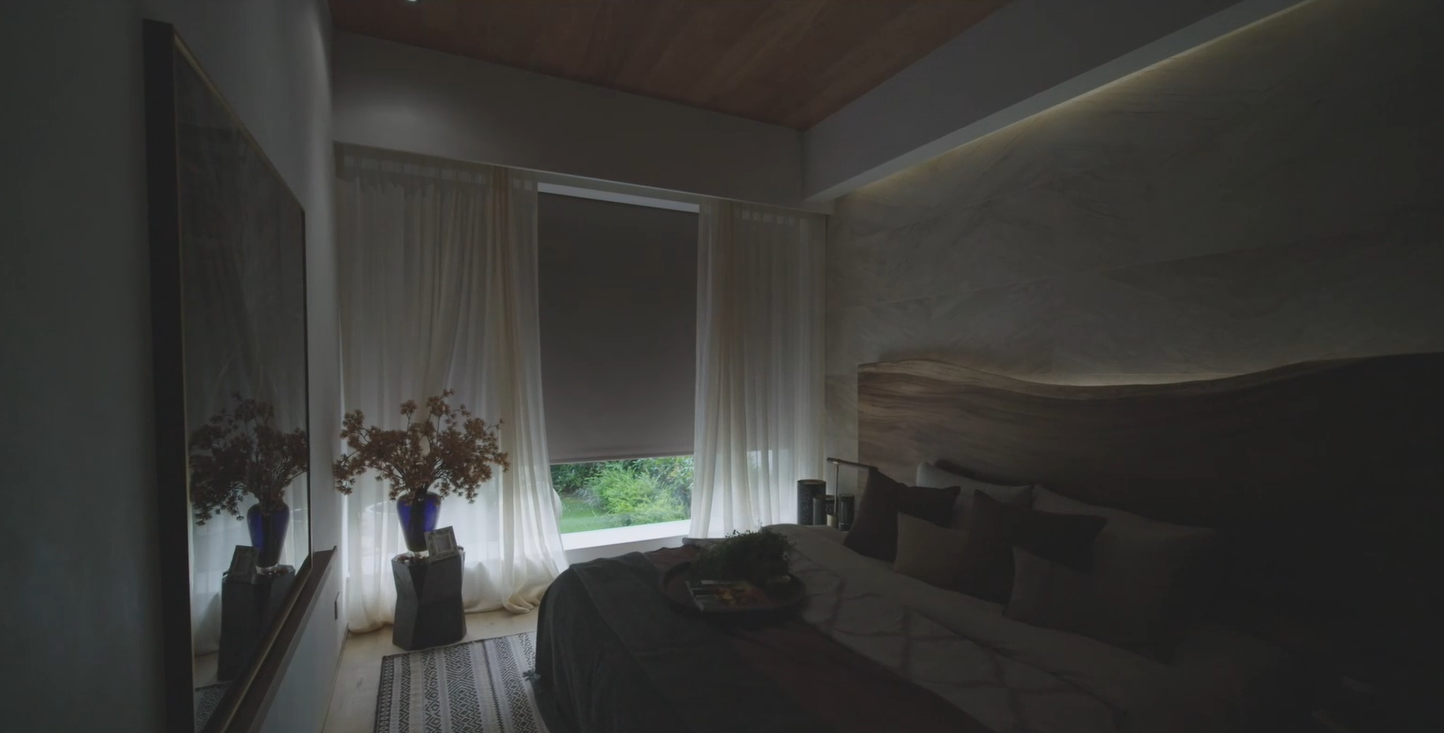
Imagine waking up not to a blaring alarm, but to soft morning light that gradually brightens like sunrise, accompanied by the gentle sound of birds. With today’s smart lighting and sound systems, this natural awakening is easy to recreate — and it’s infinitely kinder to your nervous system. This can be done with sophisticated home automation systems or as easy as a plug and play light and sound alarm.
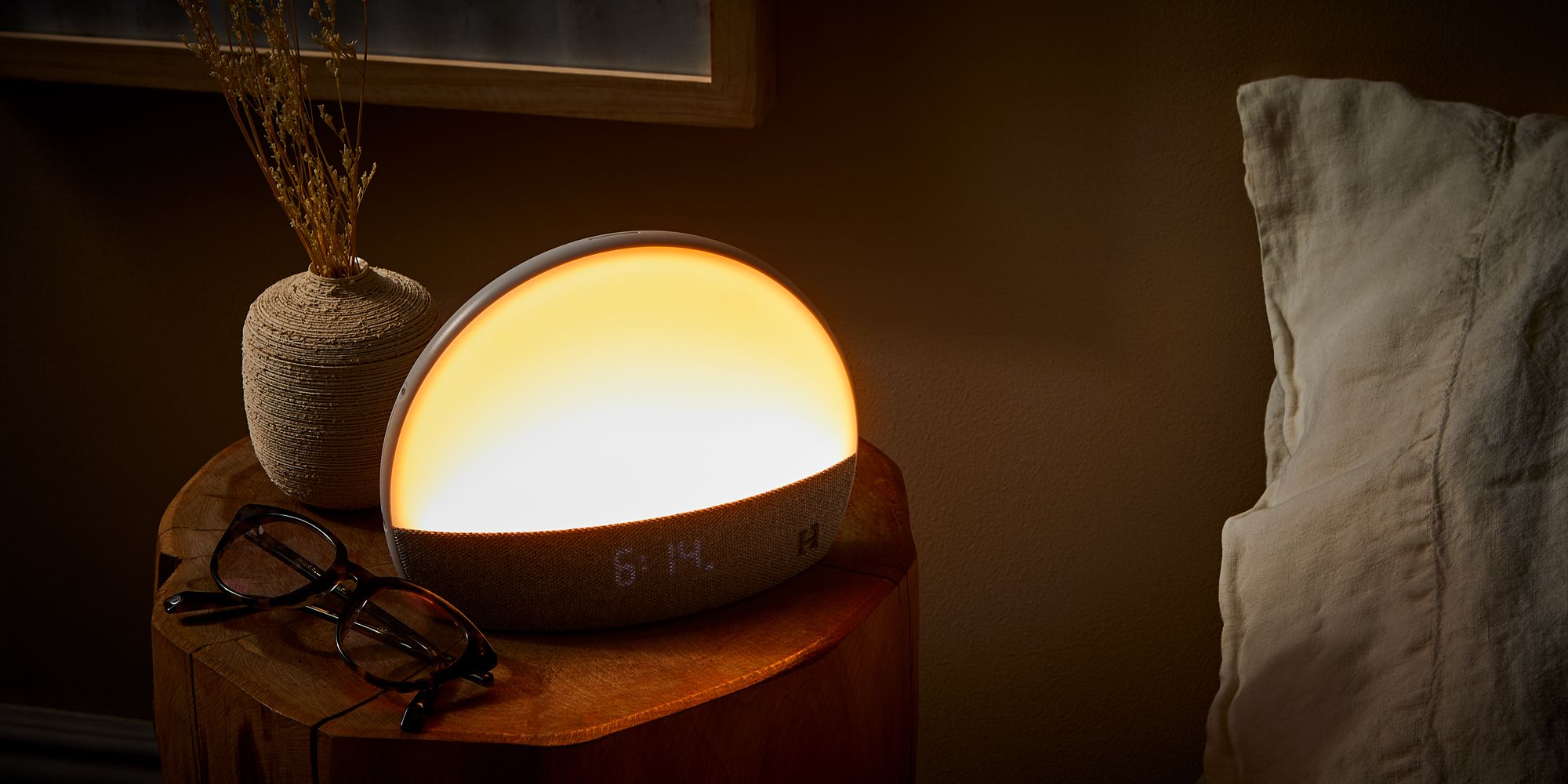
The first hour of your morning sets the tone for your entire day. Step into sunlight as soon as you can — even a few minutes at a bright window, watering your plants or sipping coffee, helps reset your circadian rhythm.
As the day unfolds, bright, cool-toned light keeps your energy high. During times of high focus times during the day, prioritize working in areas with views to a bright blue sky. This naturally increases serotonin in the body and improves alertness and focus. The same concept can be mimicked in your interior by using cool color temperature lighting with maximum brightness.

Then, as evening approaches, dim the lights and shift toward warmer tones — the color of firelight or sunset. This signals to your body that it’s time to slow down.
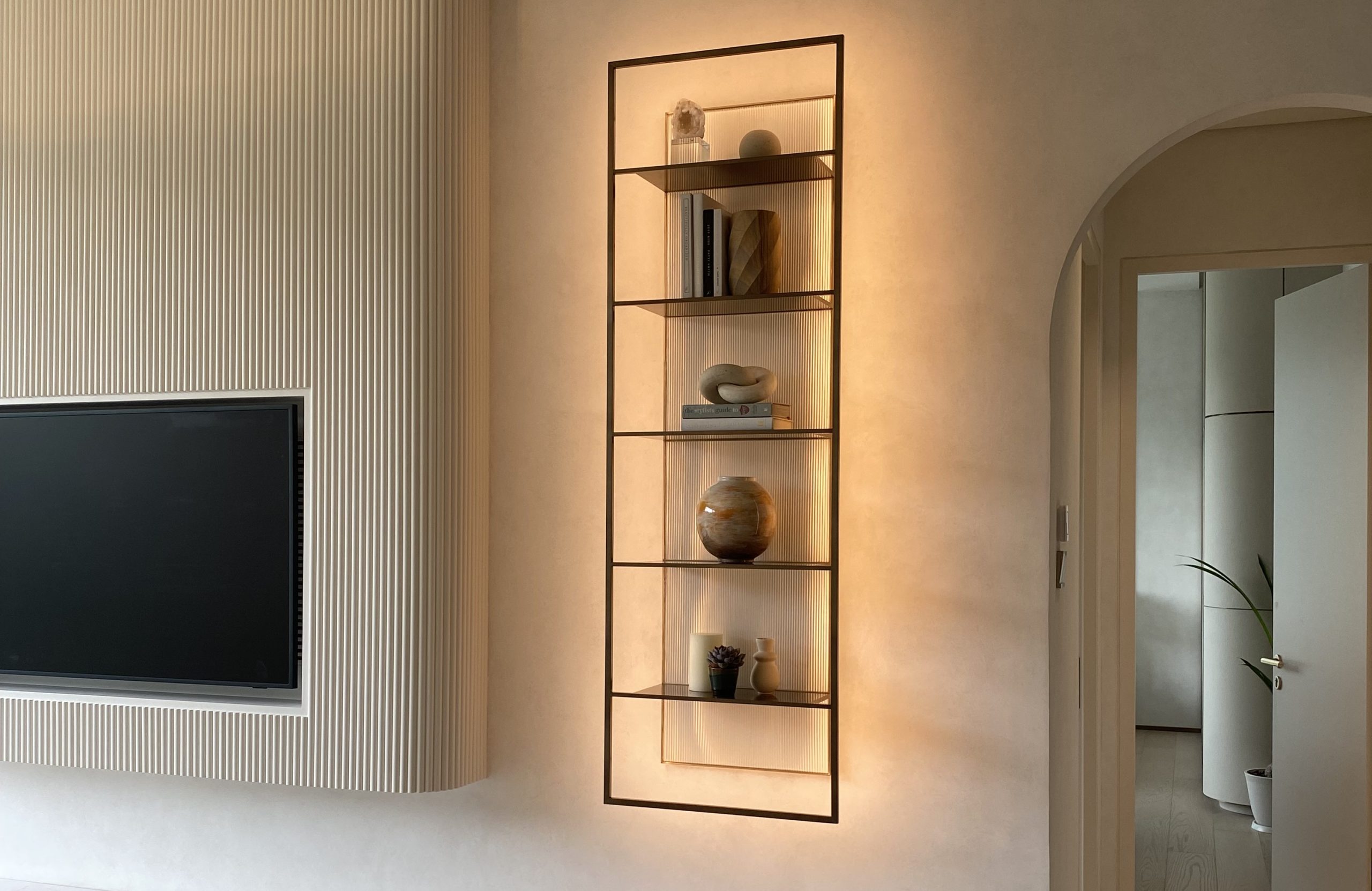
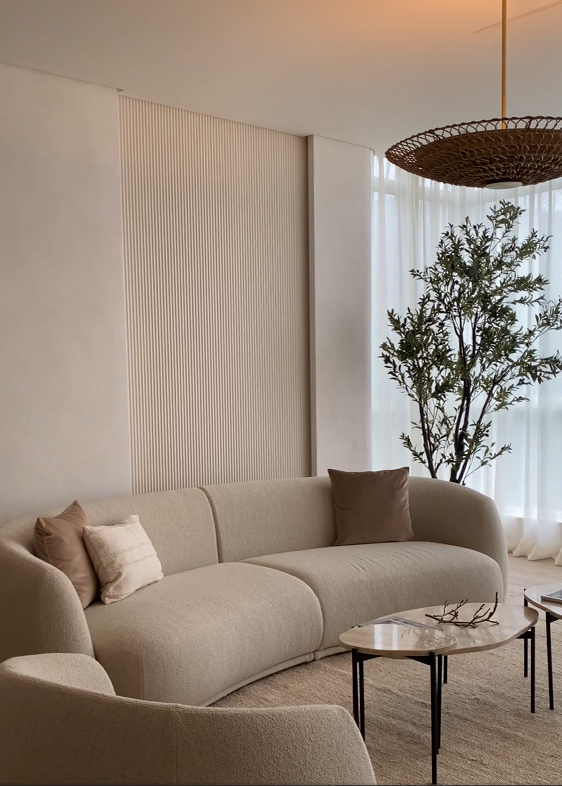
In my own home, about an hour before bed, we dim the lights to amber and put away screens. A soft red “campfire” glow reminds us to disconnect and unwind. By bedtime, the room becomes a cave of complete darkness — blackout curtains drawn, every tiny indicator light covered. It’s amazing how this simple act transforms the quality of rest.
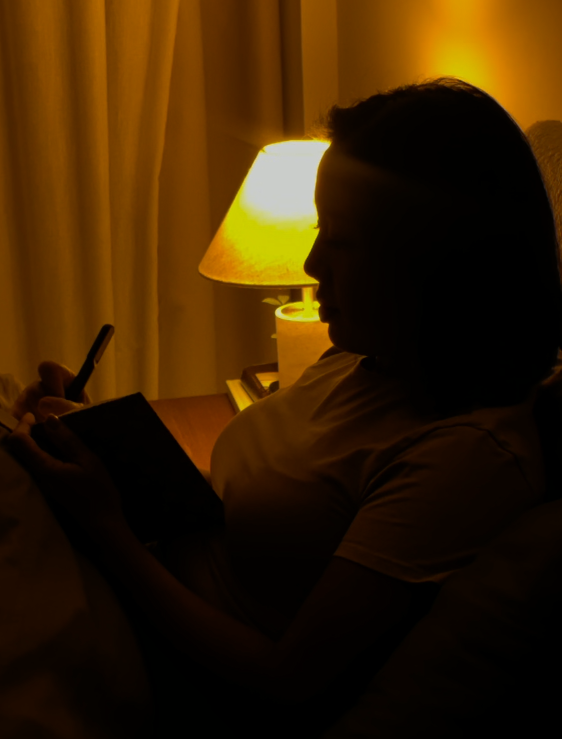
For children (or adults) who find total darkness unsettling, a dim amber night light that fades after a few minutes offers reassurance without disrupting melatonin.

Breathing Easy
Clean air is as essential to good sleep as silence and darkness. Yet, because we can’t see it, air quality is often ignored.
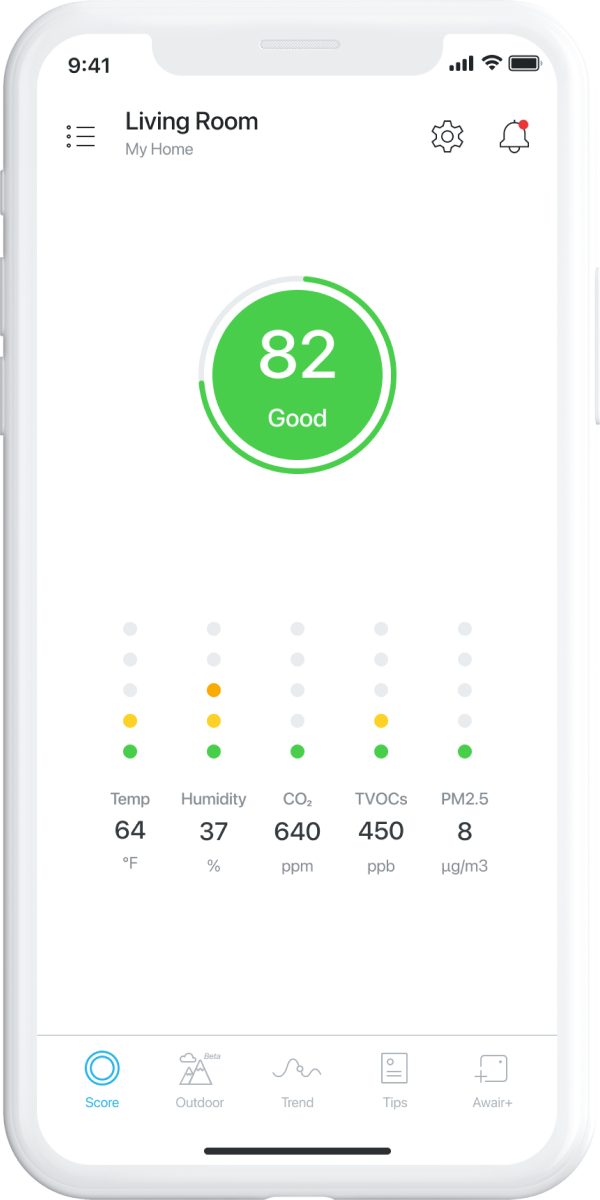
Good air helps you sleep more soundly, reduces snoring, and keeps the respiratory system calm through the night. Using an air quality monitor can reveal what’s really going on in your space — from rising dust levels to CO₂ buildup.
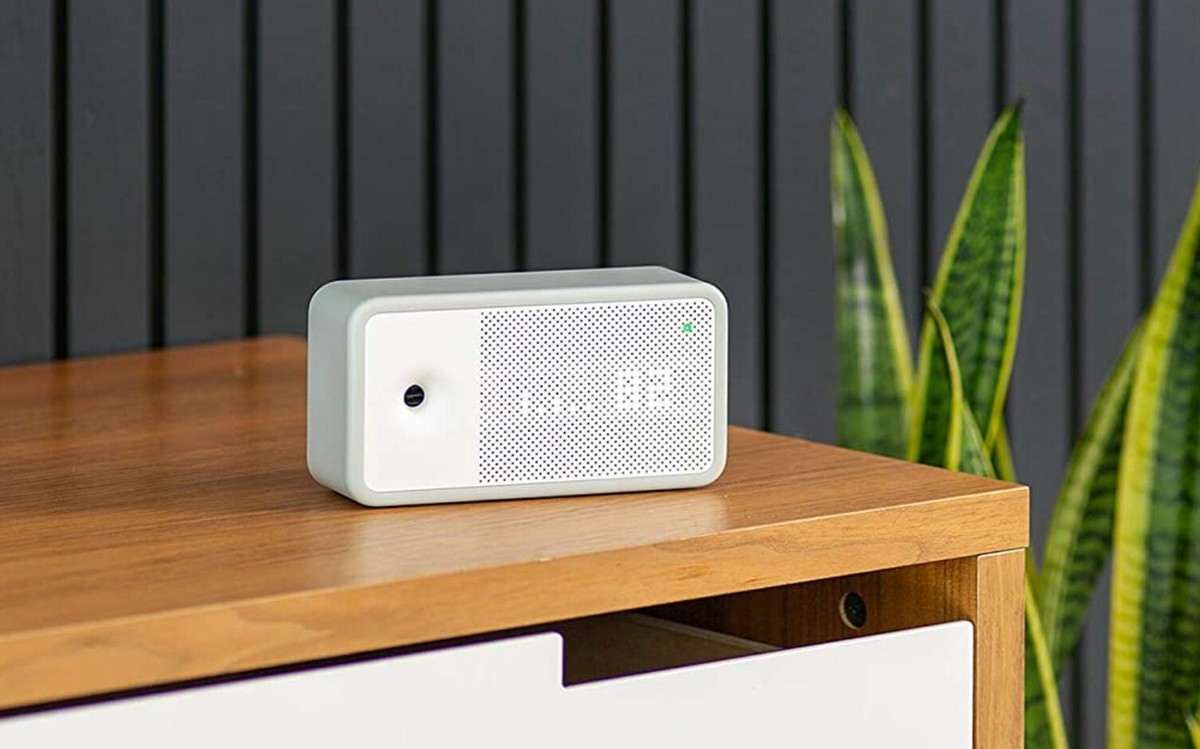
When the air feels heavy, open a window, vacuum, or adjust your air conditioning and dehumidifier. Avoid candles in the bedroom, as many release toxins that compromise air purity. Instead, diffuse a small amount of natural sleep oil for a gentle, soothing scent. When designing your bedroom, consider good air preventative measures can be done such as reducing dust trappers such as bookshelves next to your bedhead, include washable rugs, longer timers on bathroom exhaust fans to exhaust humidity from showers and bathroom odors thoroughly and having sufficient clean equipment such as serviced air conditioners and dehumidifiers. Good practices such as opening curtains and blinds every day is important because sunshine is a natural air purifier. Additionally, open windows regularly to flush out chemicals. As well, if you have renovated, specify low VOC materials and use VOC removal treatments on new furniture.
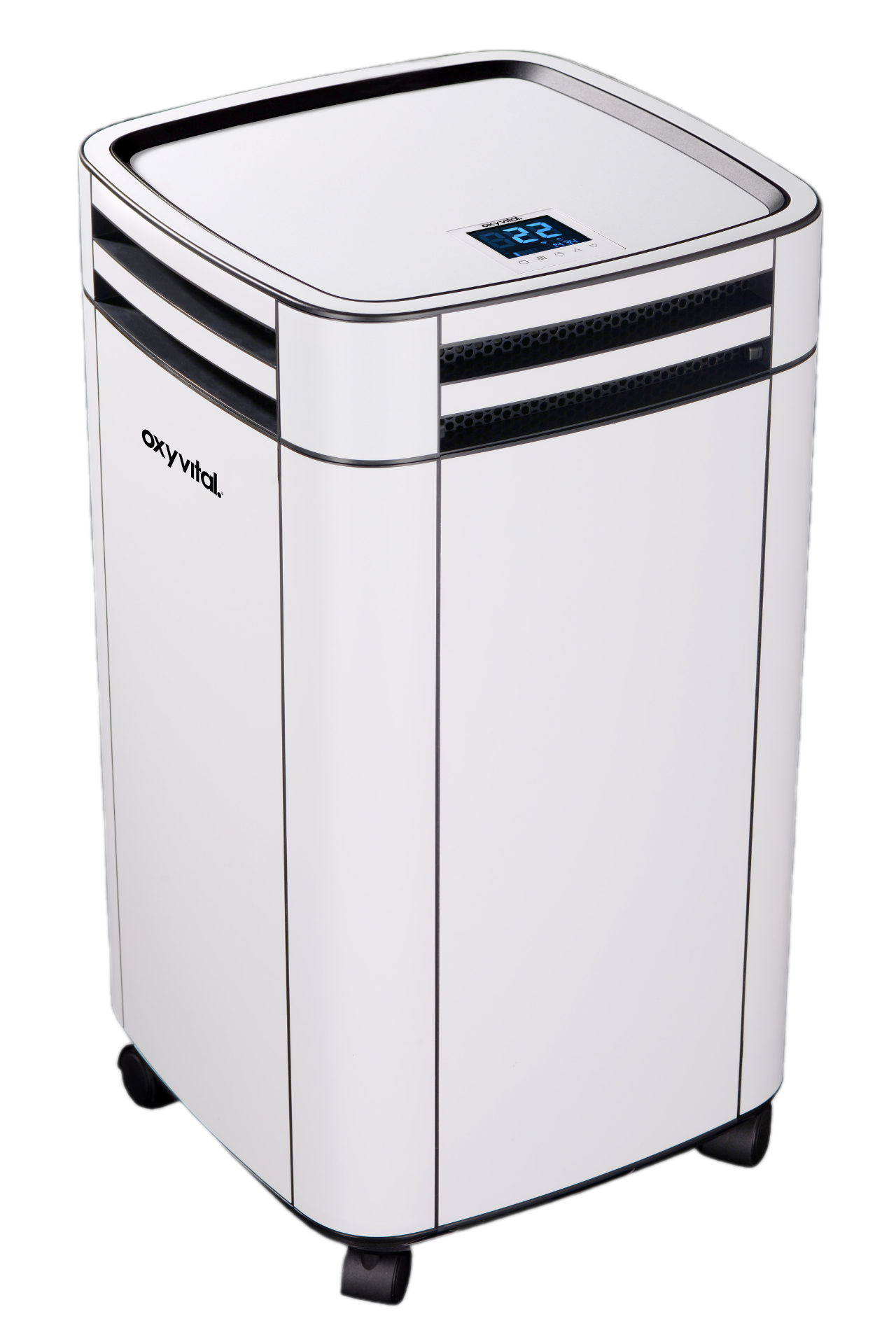
If all measures above are done at your air quality is still not sufficient then this is the time to add an air purifier. However, not all are built the same. When choosing an air purifier, prioritize models with true HEPA and activated carbon filters for effective removal of airborne particles, odors, and chemical pollutants. Match the Clean Air Delivery Rate (CADR) to your room size, aiming for a CADR about two-thirds of the room’s square footage for optimal performance. Also, consider features like noise level, energy efficiency, filter replacement indicators, and certifications for safety and reliability.
During our event, air quality specialist Barton Wong explained how the right purifier can make a measurable difference — especially in urban homes. Whether built-in or standalone, these systems quietly support deeper, more restorative sleep.

Freeing Yourself from Modern Disruptions
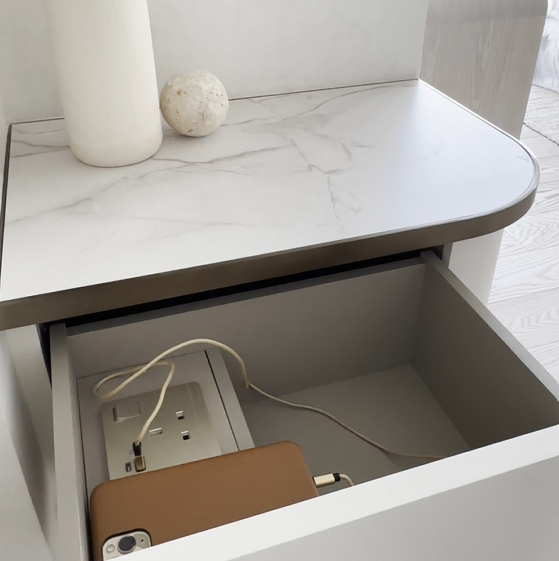
Technology is wonderful — until it follows us into bed. Blue light from screens delays melatonin, and even the invisible hum of Wi-Fi or chargers near your pillow can subtly disturb rest.
One of the simplest ways to reclaim peaceful sleep is to unplug. Charge your phone away from the bed, or better yet, in another room. Set your Wi-Fi to shut off automatically at night. And if you have a workstation in your bedroom, switch off the power bar before turning in.
For those particularly sensitive to electromagnetic fields, earthing mats — which mimic the grounding effects of walking barefoot on natural earth — can help reduce inflammation and promote relaxation.
Designing for Quiet
Sound has a profound effect on how deeply we sleep. Even subtle noises can keep your brain on alert.
Incorporate softness wherever possible — layer curtains, add rugs, choose upholstered headboards, sound absorbing walls or wardrobe doors and bring in large leafy plants that absorb sound. The more tactile and natural your surfaces, the quieter the space will feel.
If you live in a noisy city, a white noise machine can help smooth out sound fluctuations. For renovations, double-glazed windows and quiet-mode air conditioners are worthwhile investments for true serenity.
Simplicity and Natural Harmony
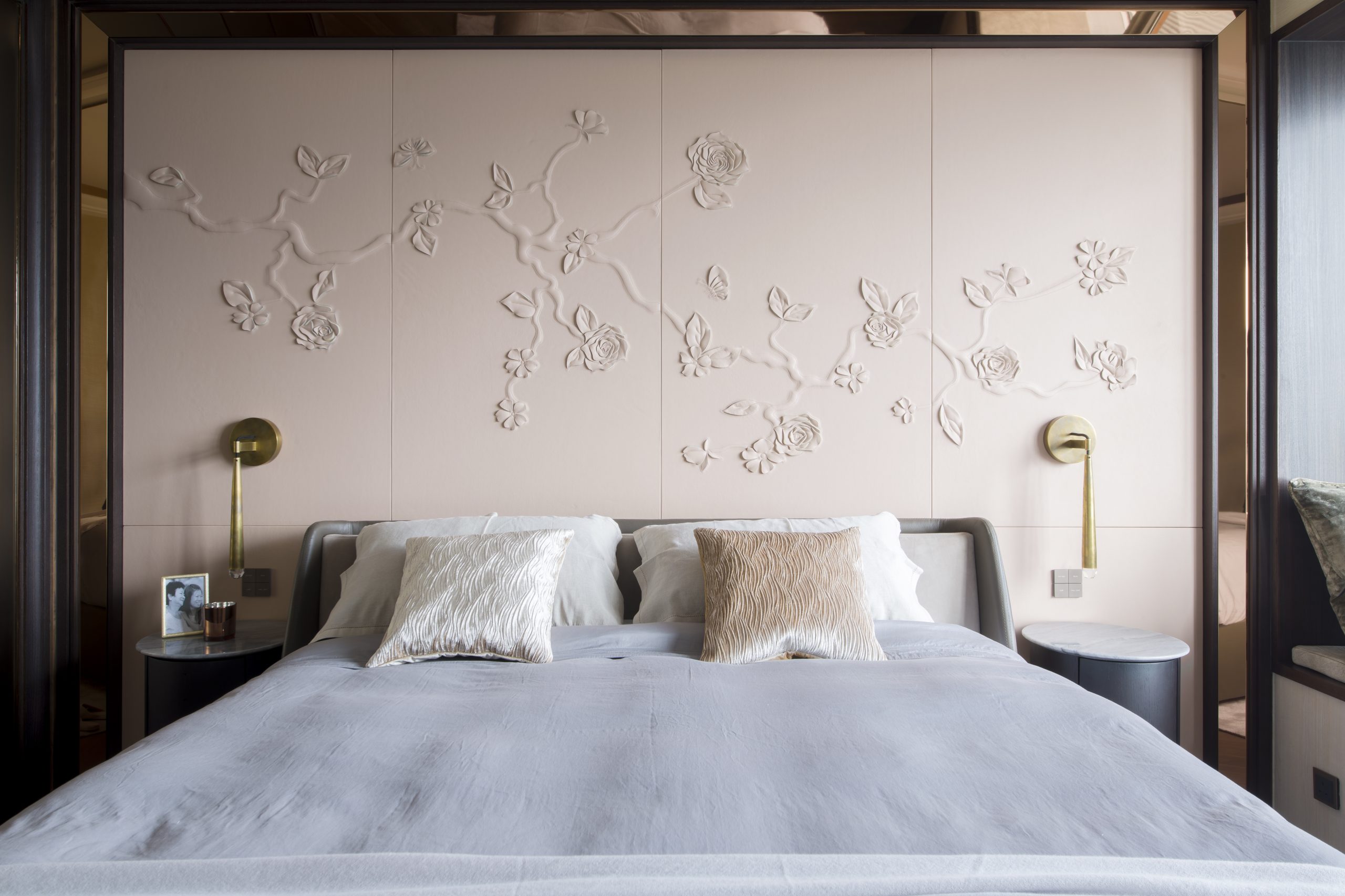
Simplicity is one of the most overlooked elements of wellness. A clutter-free room helps quiet the mind. Decluttering isn’t just about aesthetics — it’s a way of creating mental stillness.
Bring natural elements into your space: solid wood, organic cotton, linen, and a few green plants to purify the air. These small touches reconnect your body to nature’s rhythm.
As we discussed during The Art of Sleep, there’s real science behind this. In a famous 1984 study, patients who had views of trees and natural light healed faster and needed less medication than those who faced blank walls. Nature soothes, restores, and reminds us of our innate connection to life.

A Return to Nature’s Design
Creating a Paleo Bedroom isn’t about going backward — it’s about coming home. It’s about remembering what our bodies have always known: that we sleep best when we live in tune with the earth’s natural rhythms.
Natural materials? Take your mattress, for example.

The conversations and expertise shared during The Art of Sleep reminded us that design, air quality, and science aren’t separate — they’re deeply connected. Together, they form the foundation of how we rest, heal, and thrive.
When we give ourselves the gift of truly restorative sleep, everything changes. Energy returns. Mornings feel lighter. Even our relationships shift as we move through the world with more patience and joy.
So tonight, take a moment to look around your bedroom. Ask yourself: does this space help me rest as nature intended? If not, maybe it’s time to bring a little sunlight, stillness, and simplicity back to where your day both begins and ends — your sanctuary for sleep.


Featured Experts from The Art of Sleep
Lydia Chan – Founder, The Sleep Code | Cognitive Behavioral Sleep Therapist
Kelvin Lo – Hästens Mattress Specialist | Expert in Natural Sleep Materials
Barton Wong – Chairman, Hong Kong IAQ Committee | Air Quality Specialist
Rowena Gonzales – Founder, Liquid Interiors | Principal Interior Designer